Living Labs
Connecting universities, society and innovation
Across the EULiST alliance, we are connecting and developing Living Labs and open innovation environments that bring together students, researchers, companies, public organizations, and citizens to address real-world challenges.
By moving beyond traditional classrooms and laboratories, our Living Labs create dynamic spaces where knowledge is directly applied, tested, and developed alongside societal stakeholders.
Why EULiST Living Labs?
- Real-World Testing: Test ideas, co-create solutions, and explore new approaches in authentic, everyday settings.
- Societal Impact: Bridge the gap between academia, regional ecosystems, and local communities.
- Cross-Border Collaboration: Drive sustainable development, social innovation, entrepreneurship, and knowledge transfer across Europe.
Connecting Our Ecosystems
As part of our mission to strengthen regional cooperation, EULiST is actively mapping and interconnecting existing Living Labs across all partner universities. This initiative builds a growing European network of innovation environments designed to support collaboration far beyond the traditional campus boundaries.
Living Labs across all partner universities
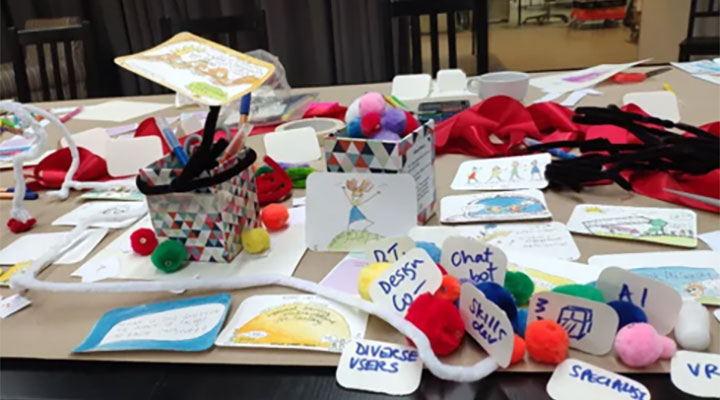
CODER Living Lab
LUT University, Finland
A user-centred design and usability lab focusing on Internet of Things (IoT), digital interaction and co-creation.
The lab supports collaborative innovation through user testing, experimentation and stakeholder engagement.
https://coder.lut.fi/
https://www.lut.fi/en/research-groups/user-centred-design
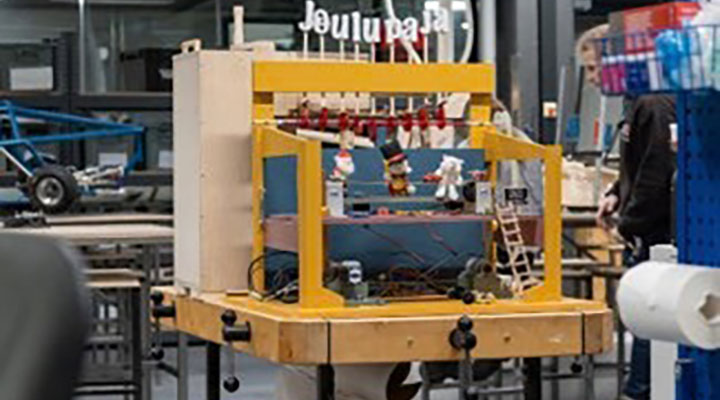
Protolab J. Hyneman Center
LUT University, Finland
An innovation hub where students, researchers and companies collaborate to transform ideas into prototypes and practical solutions.
The centre promotes entrepreneurship, interdisciplinary teamwork and innovation-driven learning.
Contact: jhc@lut.fi
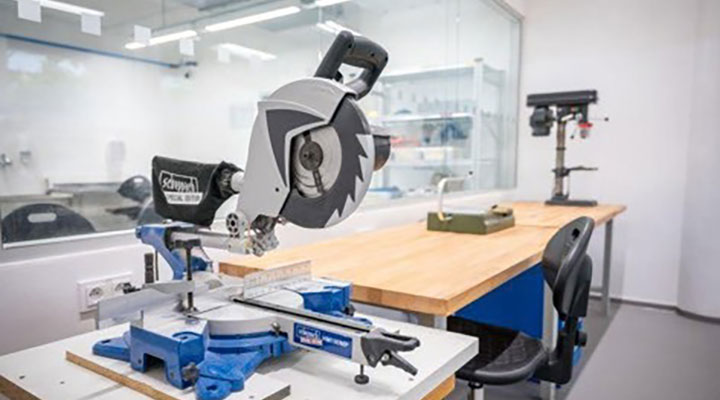
Strojlab
Brno University of Technology, Czech Republic
A creative makerspace that provides access to advanced design and manufacturing technologies. Students and innovators can develop projects while learning from experienced mentors and industry-relevant experts.
Contact: www.strojlab.cz
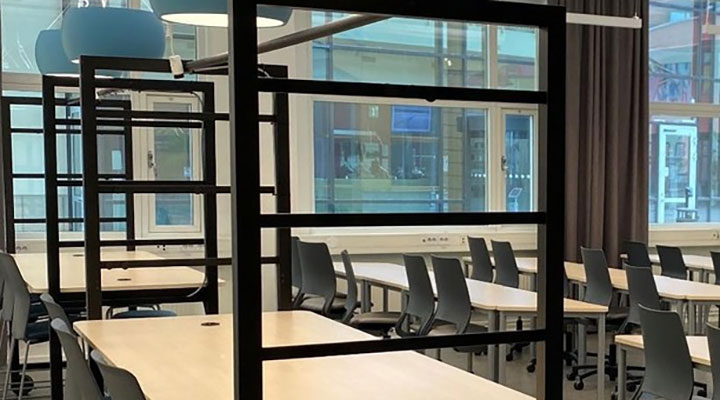
Classroom Lighting Living Lab
Jönköping University, Sweden
A real-world learning and research environment equipped with advanced lighting and sensor systems. The lab enables researchers and students to study how lighting affects learning environments and human wellbeing in authentic educational settings.
Contact: Myriam Aries, Professor Lighting Science
myriam.aries@ju.se
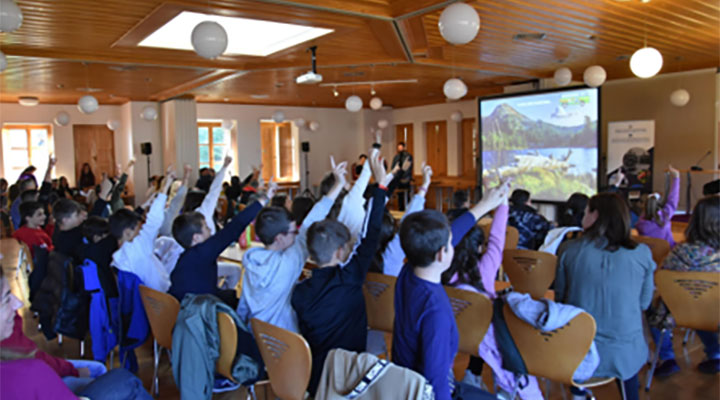
Metsovion Interdisciplinary Research Center (M.I.R.C.)
National Technical University of Athens, Greece
An interdisciplinary research environment focused on mountain regions, sustainable development and local communities. The centre combines education, research and stakeholder engagement to address environmental and societal challenges.
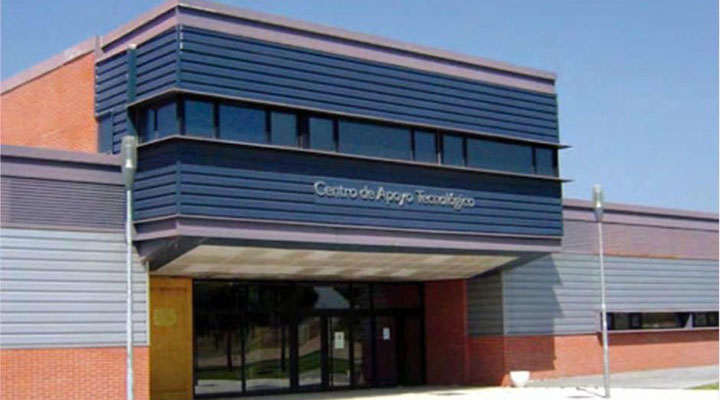
Technology and Support Centre
Universidad Rey Juan Carlos, Spain
A multidisciplinary innovation environment that brings together research facilities in areas such as microscopy, chemistry, genomics, veterinary sciences, renewable energy and plant sciences, creating opportunities for collaboration with researchers and industry.
Contact: Alfredo García Fernández
alfredo.garcia@urjc.es
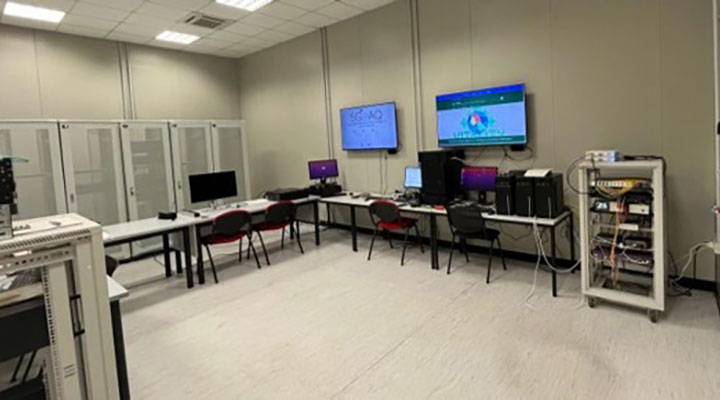
Networks and Services Lab
University of L'Aquila, Italy
A testbed providing access to advanced networking and computing infrastructures for experimentation in artificial intelligence, cybersecurity, industrial automation and next- generation digital services.
Contact: Andrea Marotta
andrea.marotta@univaq.it
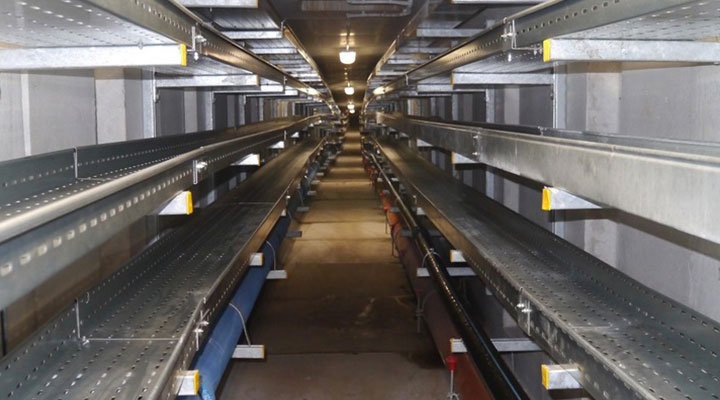
INCIPICT Optics and Photonics Lab
University of L'Aquila, Italy
An urban-scale research and testing environment supporting innovation in optical communications, sensing and photonics technologies through collaboration between researchers, students and external partners.
Contact: Cristian Antonelli
cristian.antonelli@univaq.it
European
Universities
Linking Society
and Technology
A bold alliance of eleven* universities across Europe bridging the gap between society and technology by building trust in science and ensuring inclusive access to excellence.
We create knowledge and innovation hubs that foster lasting collaboration – empowering students, researchers, citizens and institutions to co-design solutions to real-world challenges and lead the green and digital transitions.
* The University of Stuttgart has been a Cooperation Partner of the EULiST Alliance since May 2026