
LUT University
Finland
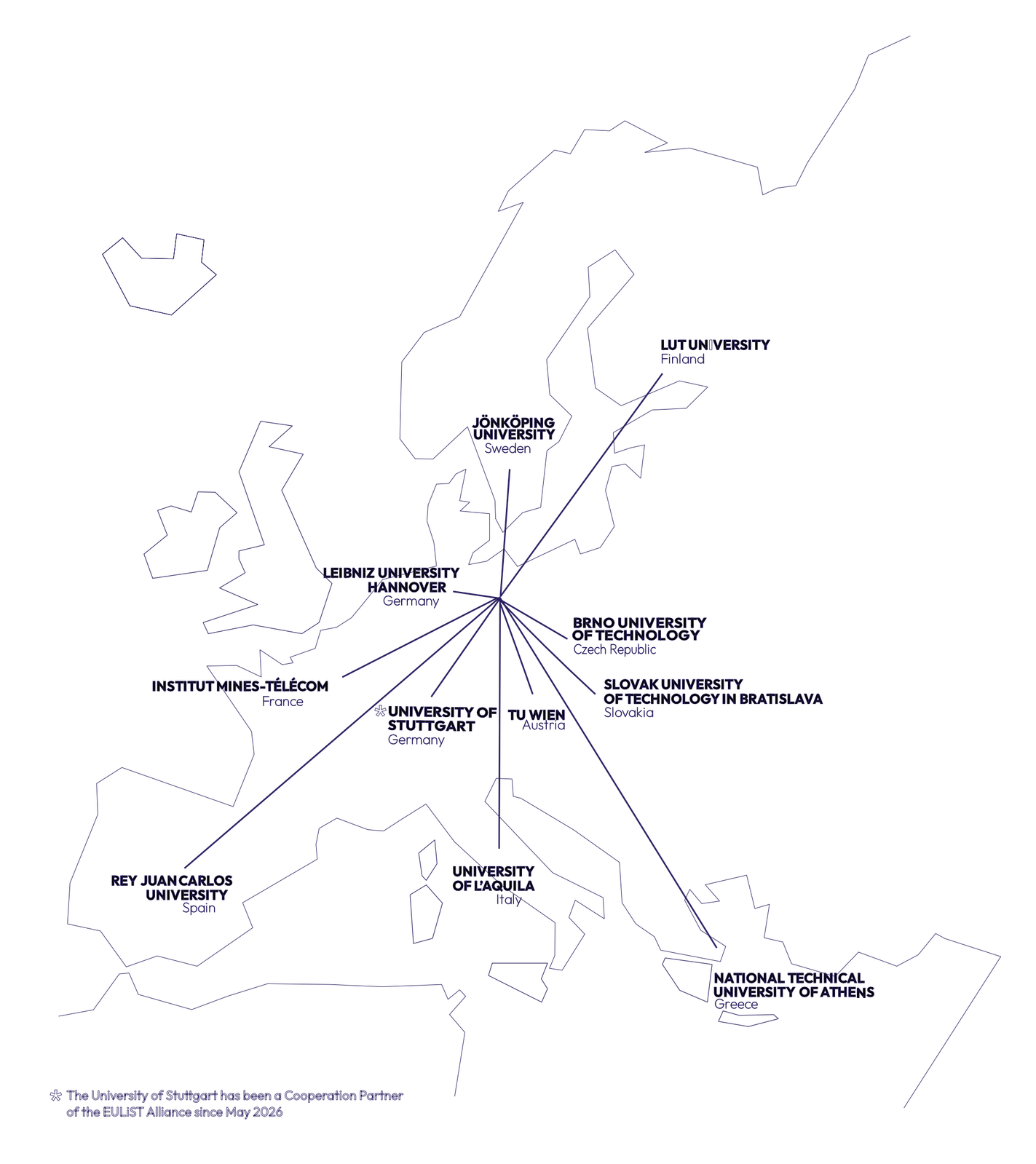
EULiST brings together 11 universities across 10 countries, uniting 220,000 students and 25,000 staff. We merge technical excellence with social sciences to shape a sustainable future for all European regions.
Our mission
Finland

Sweden
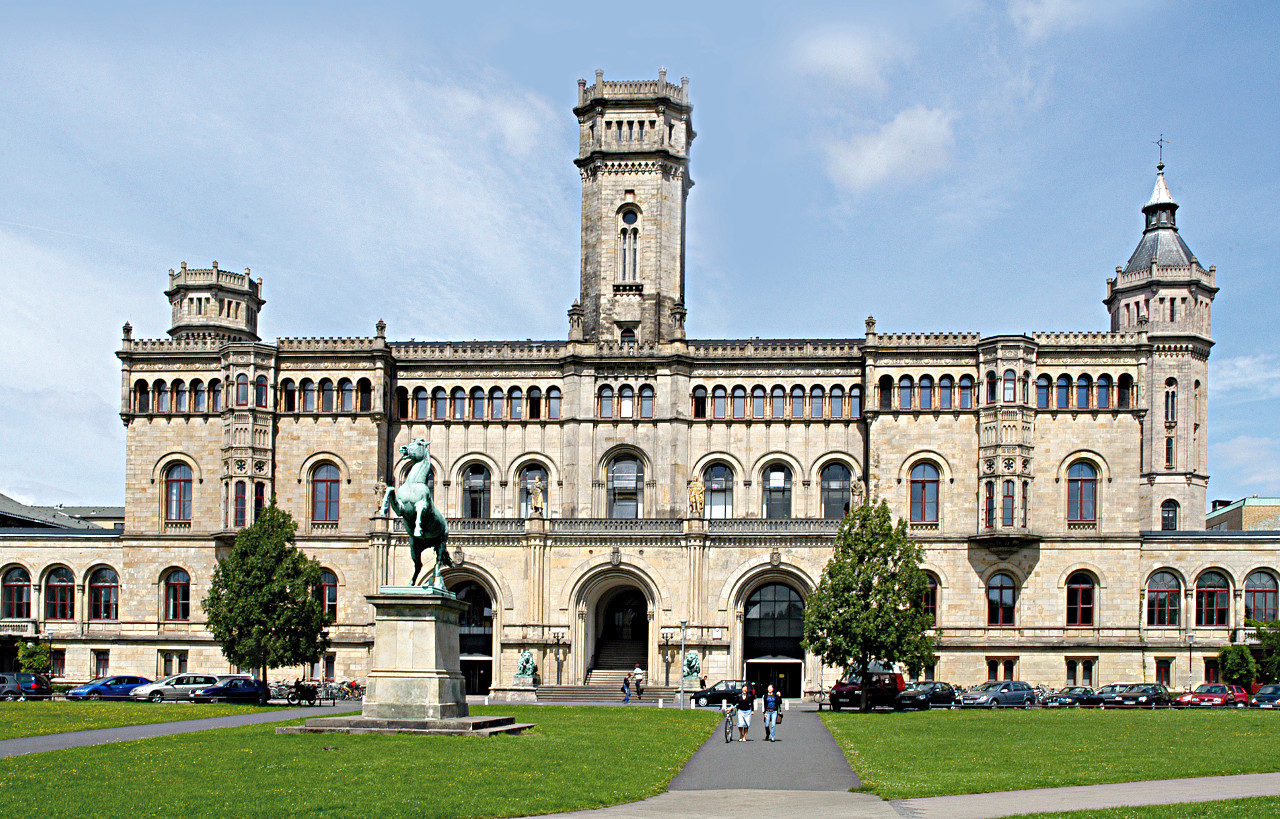
Germany

Slovakia

Czech Republic
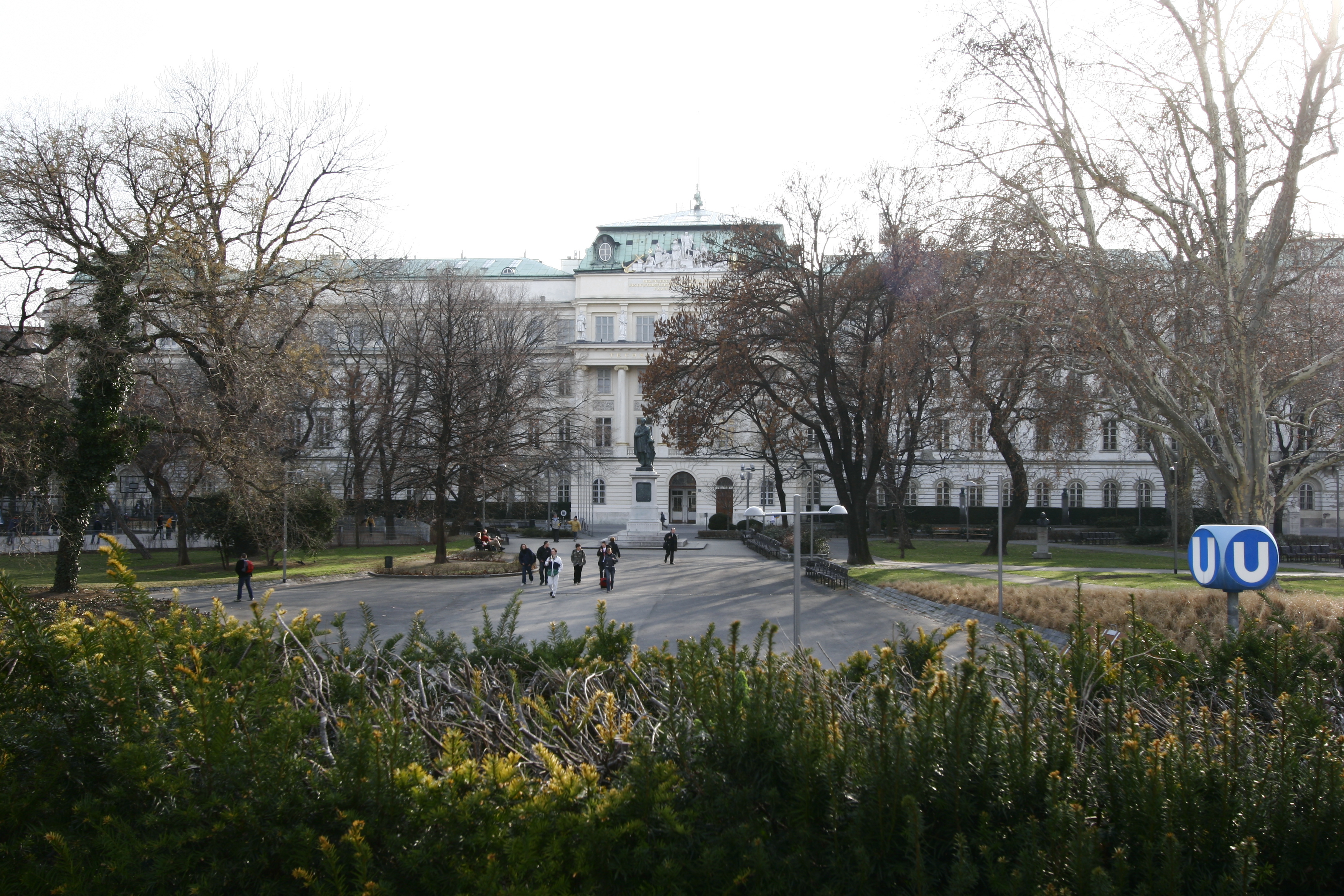
Austria

Greece

Spain

Italy

France

Germany
The governance framework of the EULiST Alliance ensures transparent, inclusive, and efficient coordination across all partner institutions. Our model balances strategic oversight, academic integrity, and operational delivery with a strong emphasis on student involvement.
Learn more about our governance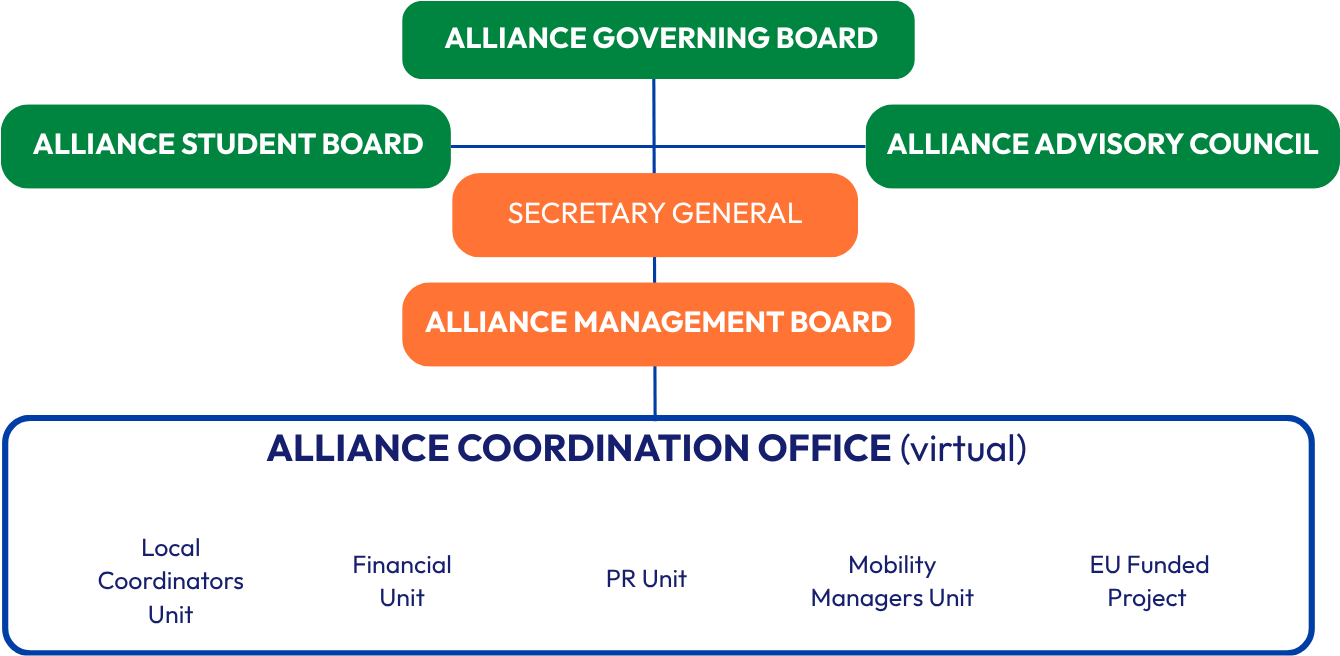

Chair of the EULiST Governing Board
President
LUT University
Finland

Co-Chair of the EULiST Governing Board
Rector
Leibniz University Hannover
Germany

Executive President
IMT Atlantique
France

Rector
Slovak University of Technology in Bratislava
Slovakia

Rector
LUT University
Finland

Rector
Brno University of Technology
Czech Republic
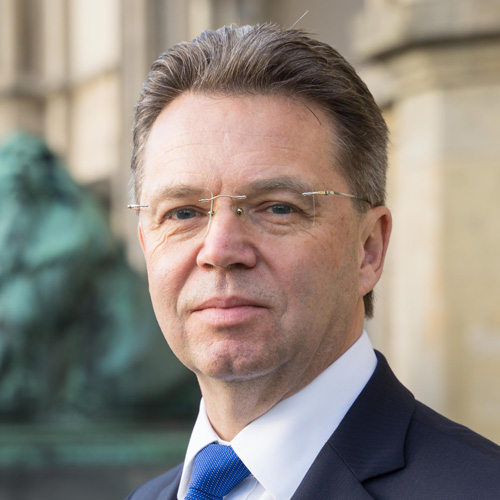
President
Leibniz University Hannover
Germany

Rector
Rey Juan Carlos University
Spain

Rector
National Technical University of Athens
Greece

Rector
University of L’Aquila
Italy

Rector
University of Stuttgart
Germany
The EULiST Advisory Council (AC) is comprised of experts on Higher Education and representatives from stakeholders at the national level with European stature and provides different perspectives and feedback to support the alliance in achieving its strategic goals.
The members of the Advisory Council are the following:
Sr. Director of Research and Development, Brno site leader for Materials & Structural Analysis at Thermo Fisher Scientific Brno
Brno University of Technology
Czech Republic
Deputy General Director, Economic and Environmental Development, Regional Council of Nouvelle Aquitaine
Institut Mines-Télécom
France
Professor Emeritus, Board member of the Foundation for the Young Academy of Sweden, former State Secretary in the Swedish Ministry of Education and Science, former Rector of the University of Kalmar and former chair of Swedish Research Council
Jönköping University
Sweden
Former Head of Department Strategy and External Relations, at the Alexander von Humboldt Foundation, Bonn
Leibniz University Hannover
Germany
President of Finnish Innovation Fund Sitra, former European Commission’s Vice-President for Jobs, Growth, Investment and Competitiveness and former Prime Minister of Finland
LUT University
Finland
Former Rector of NTUA, Professor and former Dean in the School of Chemical Engineering
National Technical University of Athens
Greece
Chairman of the Slovak Green Building Council
Slovak University of Technology in Bratislava
Slovakia
CEO/CFO, Supervisory Board Member Volkswagen AG, Audi AG, Porsche Automobil Holding SE, RitterSport, Paysafe Limited, PALFINGER AG, UNICEF Austria Honorary Representative
TU Wien
Austria
Former Professor in Mathematical analysis at the Gran Sasso Science Institute Italy
University of L’Aquila
Italy
President of the Espacio Europa XXI Association
Rey Juan Carlos University
Spain

Student Board Chair
Graduate Student
Slovak University of Technology in Bratislava
Slovakia

Student Board Co-Chair
Undergraduate Student
LUT University
Finland

Student Board Co-Chair / PR Unit SB Delegate
Undergraduate Student
Rey Juan Carlos University
Spain
Dr. Natia Gamkrelidze is the Secretary General of the EULiST Alliance, where she leads strategic and operational coordination across member universities and ensures the effective implementation of the alliance’s vision.
She holds a Ph.D. in Political Science from Linnaeus University (Sweden) and completed a postdoctoral fellowship in International Security at the Belfer Center, Harvard Kennedy School.
Dr. Gamkrelidze has held academic and research positions as a pre-doctoral fellow at Harvard University, Columbia University, and the University of Oxford.
Her research and publications focus on international security, European integration, and foreign policy. She is the recipient of numerous international grants and awards, including Forbes 30 Under 30 in Science. In addition to her academic career, she brings professional experience in diplomacy, media, and public affairs, and remains actively engaged with policymaking communities across Europe and the U.S.

Chair of the EULiST Management Board
Director of Internationalization
Rey Juan Carlos University
Spain

Co-chair of the Management Board
Director of International Relations
Institut Mines-Télécom
France

Co-chair of the Management Board
Professor, Dept Life, Health and Environmental Sciences
University of L’Aquila
Italy

EULiST Project Coordinator
Vice-president for International Affairs and Sustainability
Leibniz University Hannover
Germany

Vice-rector for Internationalization
Brno University of Technology
Czech Republic

Vice President for internationalization
Jönköping University
Sweden

Director of planning services
LUT University
Finland

Head of International Office
TU Wien
Austria

Vice-Rector for Public Relations and International Cooperation
Slovak University of Technology in Bratislava
Slovakia
National Technical University of Athens
Greece

Scientific Officer to the Rector
University of Stuttgart
Germany
EULiST connects over 220,000 students and 25,000 staff across 11 universities in 10 European countries.
Our alliance combines complementary strengths in STEM, humanities, and social sciences to bring a truly European perspective to education, research, and innovation.
Our member institutions span the entire continent—from Scandinavia to the Mediterranean and Central Europe. They include both comprehensive and technology-focused universities, operating across diverse settings from single campuses to nationwide networks.
Together, this rich diversity is one of EULiST’s greatest strengths. By bringing together different perspectives, expertise, and local contexts, we develop innovative, inclusive, and sustainable solutions that benefit individuals, society, and the planet.

The European Universities Initiative (EUI), launched in 2018 by the European Commission, aims to trigger and deepen unprecedented levels of cooperation among higher education institutions, making it systemic, structural, and sustainable.
As part of the Erasmus+ Programme, the initiative aims to encourage the emergence of bottom-up alliances of universities across Europe, enabling students to combine studies in several countries.
European Universities are transnational alliances that intend to develop into universities of the future:
“European Universities” are key drivers to boost the quality of higher education and to strengthen its link to the research and innovation landscape in Europe and its outreach towards society and the economy.