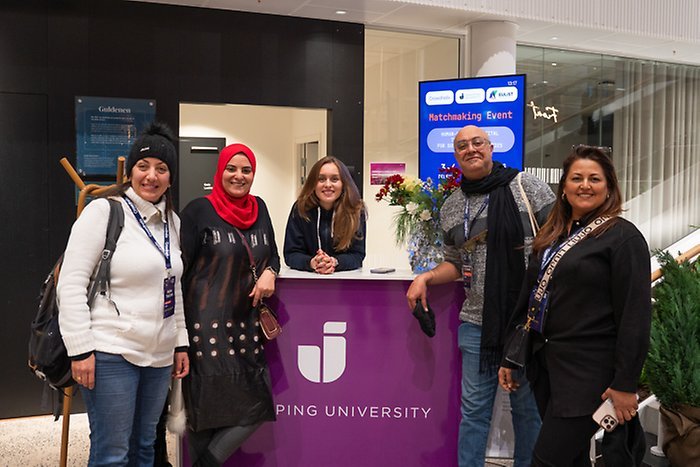
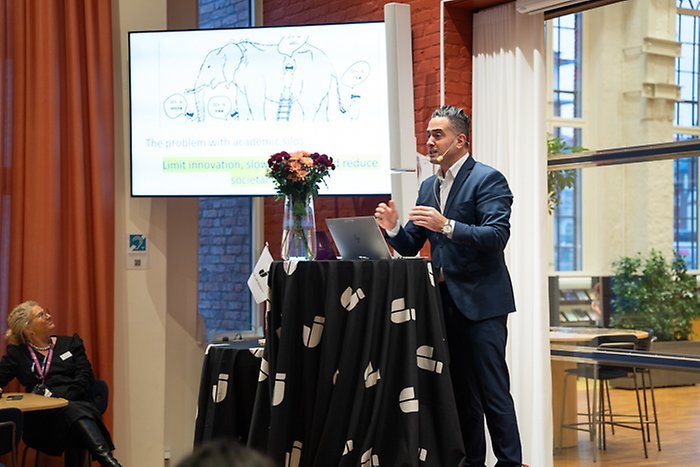
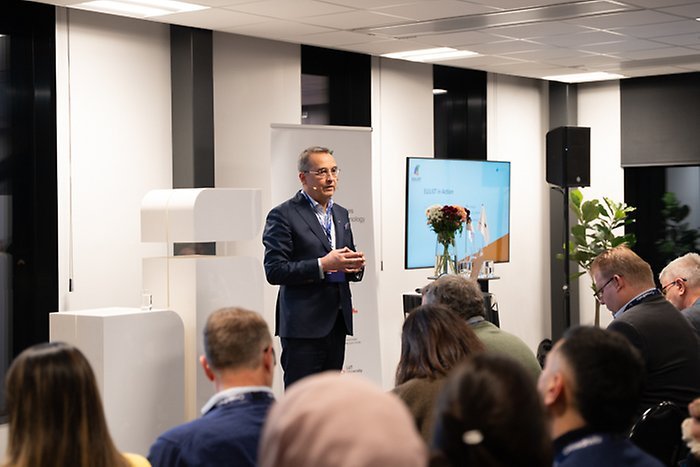
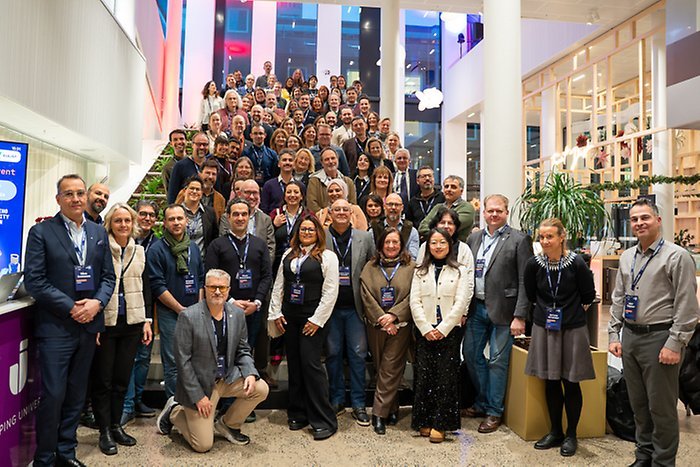
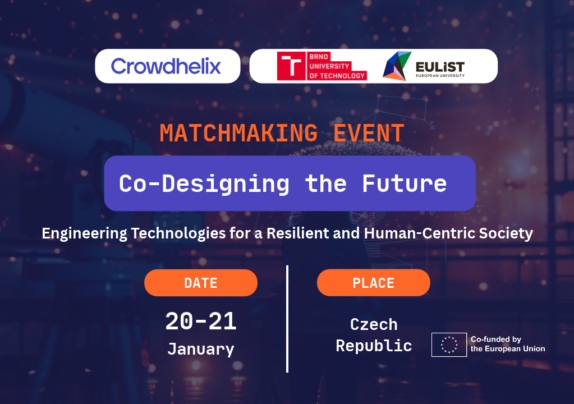
“The event was a great success, and it wouldn’t have been possible without the invaluable support of my wonderful colleagues. However, the real work begins now, in the post-event phase. The event served as an ‘aperitif’, merely the starting point. As the hard work begins, I hope the event significantly boosted our efforts in submitting competitive Horizon Europe applications, with JU involved in as many as possible,” says Shira Becker, senior grants advisor at the International Office at JU, who initiated the event.
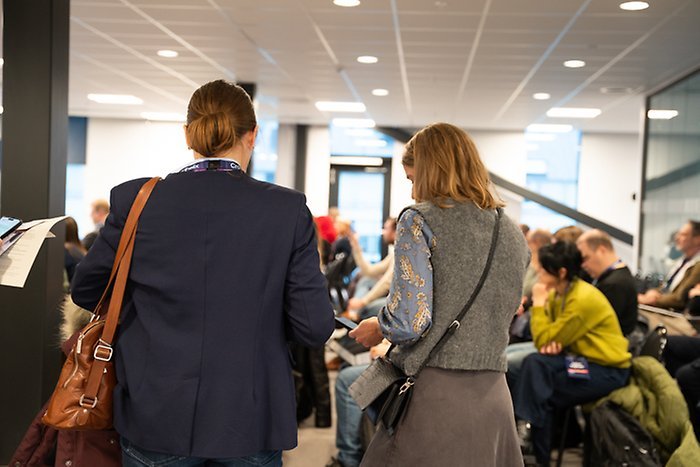
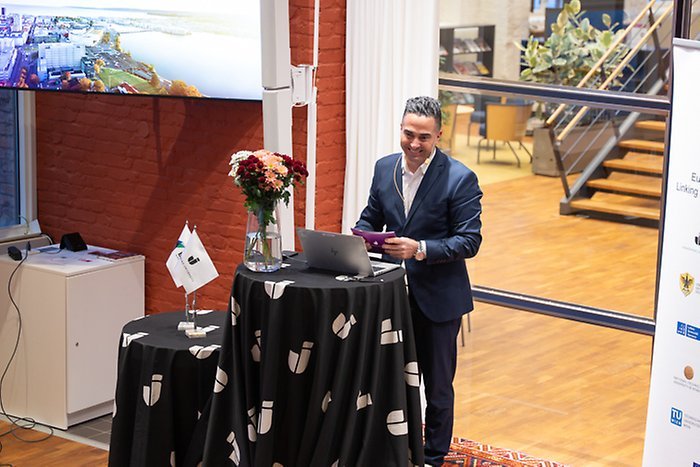
On the first day, selected participants presented their research ideas. Visions, challenges, and experiences were shared at a rapid pace, and for many, the pitches marked the start of new collaborations.
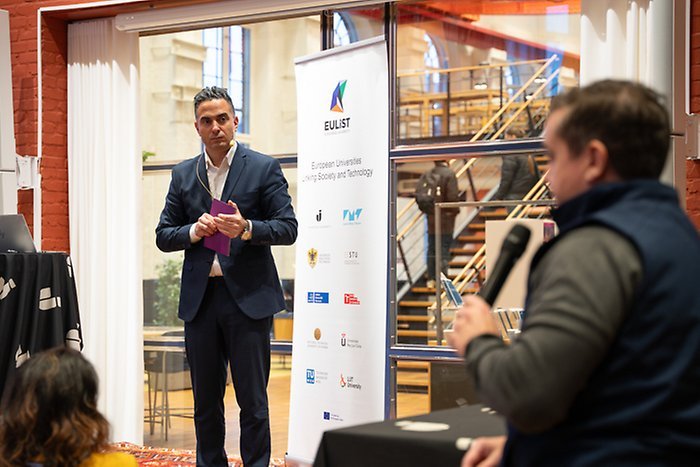
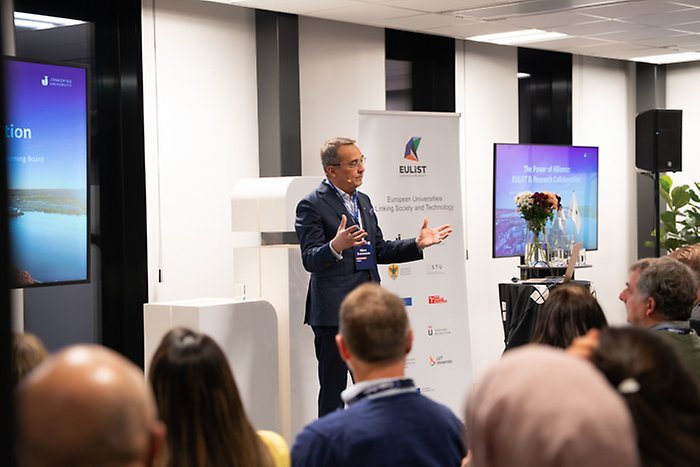
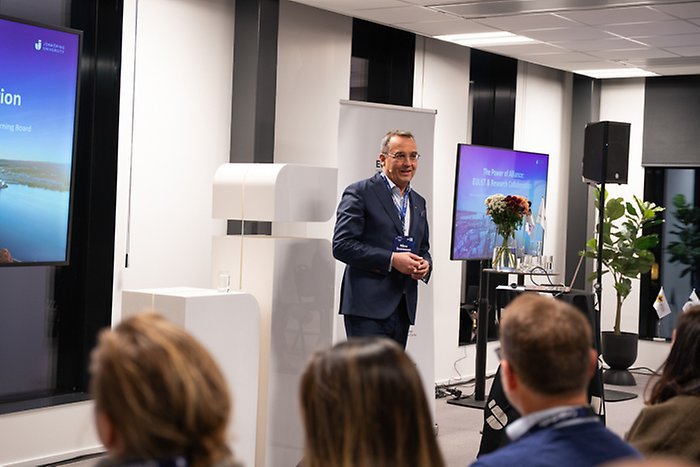
The event consisted of equal parts presentations and networking. Speakers included Åsa Fritzon and Johan Lindberg from Vinnova, Ingrid Wadskog, Dean and Managing Director of the School of Engineering at JU and Vice President for Internationalization, Salem Seifeddine, Executive Vice President with responsibility for JU’s quality work and research, and JU’s President Måns Svensson.
“You gain a deeper understanding”
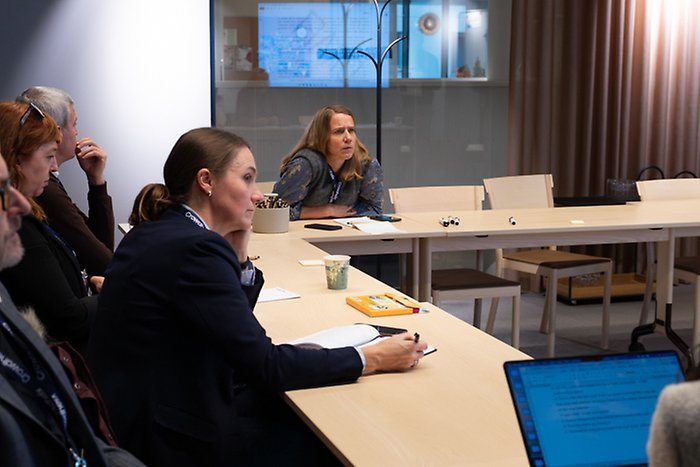
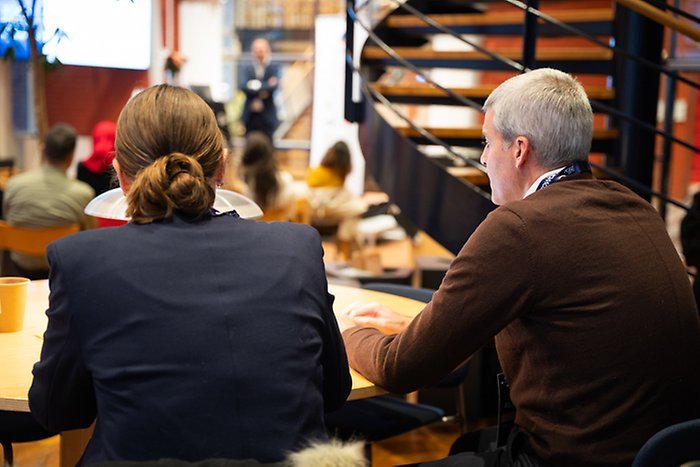
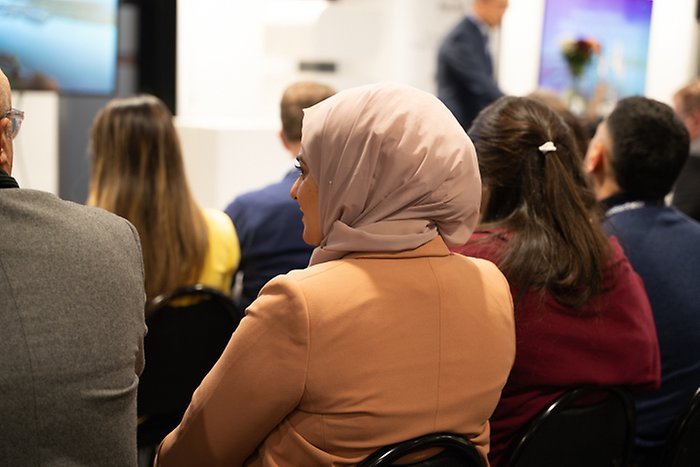
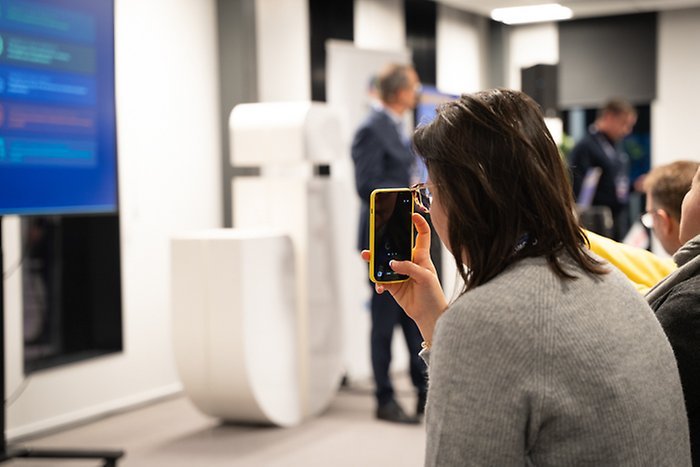
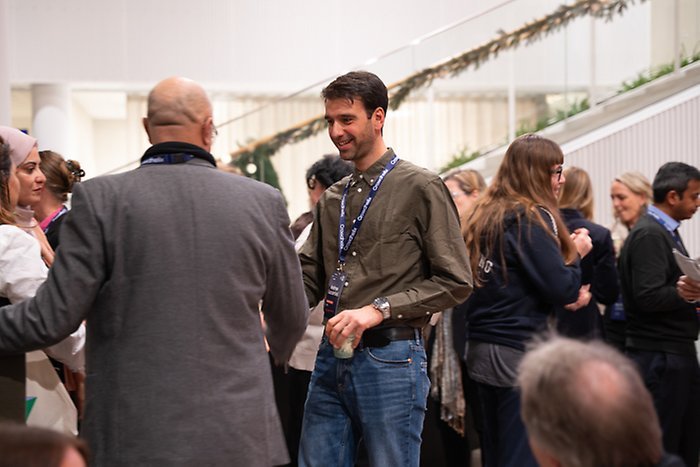
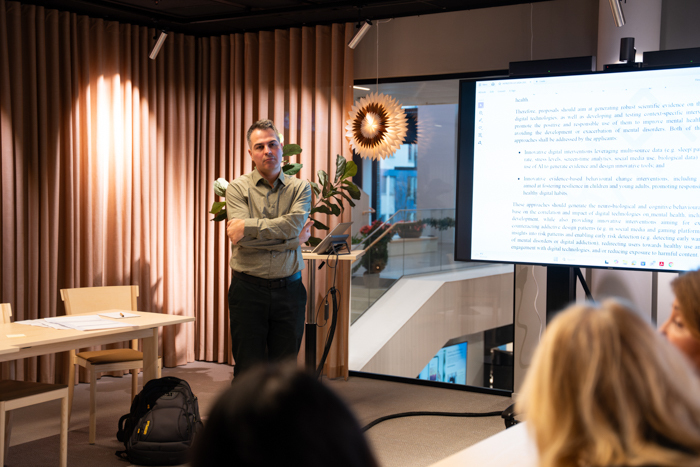
Pitches, workshops and networking activities provided participants with both new perspectives and concrete ideas for future projects.
“What I take away from these days is the importance of feeling committed to an issue and building partnerships with other parties,” says Sofia Kjellström, professor at the School of Health and Welfare at JU, who led a group during the event.
Among the guests were also participants from far away, such as Marian Sebena from the Slovak University of Technology in Bratislava, one of the universities in the EULiST-alliance.
“I wanted to meet people from different areas and with different levels of skill. For me, learning and gaining knowledge is a wide concept. When you share your skills, the people around you can improve, and when you communicate with people from different parts of the world and from universities with different systems, you gain a deeper understanding – not only in research, but also in how universities function and so on,” said Marian.